Best SEO Tools, SEO Software & Internal Linking Tools (2026)
Compare the best SEO tools, SEO automation software, and internal linking tools for beginners, bloggers, and growing websites.
Used by bloggers, niche site owners, and SEO teams

Quick Comparison
Choosing the right SEO tool depends on what you actually need. Some platforms focus on complete SEO management, while others specialize in automation and workflow efficiency.
| Tool | Best For | Ease | Price | Verdict | Action |
|---|---|---|---|---|---|
|
SE Ranking
SE Ranking is an all-in-one SEO platform designed for keyword tracking, competitor analysis, and website audits.
|
Full SEO | ★★★★★ |
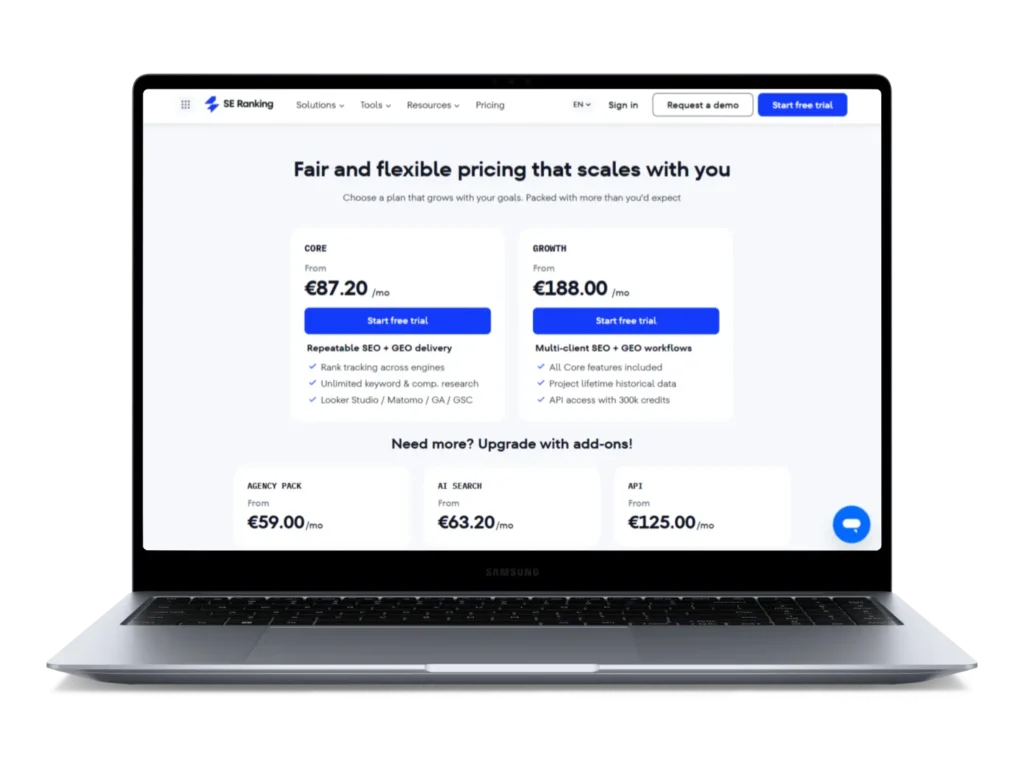
From $129/month 14-day free trial |
Best overall | Try SE Ranking |
|
SEOJuice
SEOJuice focuses on automated internal linking and SEO structure optimization.
|
Internal linking | ★★★★★ |
From €29/month Free trial available |
Best automation | Try SEOJuice |
Swipe horizontally to see the full table on mobile.
How We Compared These SEO Tools
Different SEO tools solve different problems. Some platforms focus on complete SEO management, while others specialize in automation, internal linking, or workflow simplicity. To compare these tools fairly, we focused on the areas that matter most for growing websites.
| Comparison Factor | Why It Matters |
|---|---|
| Ease of Use | Beginner-friendly SEO tools help users avoid unnecessary complexity and manage SEO tasks faster. |
| SEO Automation | Automation features reduce repetitive SEO work and simplify content management as websites grow. |
| Internal Linking Features | Internal linking tools help websites connect related pages and improve SEO structure more efficiently. |
| Technical SEO Tools | Website audits and technical SEO checks help identify crawl issues, broken pages, and indexing problems. |
| Pricing and Scalability | SEO software should remain practical for both small websites and larger content projects over time. |
Types of SEO Tools Explained
Modern SEO software is usually divided into several categories. Some tools focus on keyword tracking and technical SEO, while others help automate repetitive optimization tasks or improve internal linking structure.
Keyword Research Tools
These SEO tools help discover search terms, analyze keyword difficulty, and identify ranking opportunities.
Technical SEO Tools
Technical SEO software scans websites for crawl issues, broken pages, indexing problems, and performance errors.
SEO Automation Tools
SEO automation tools reduce repetitive work by automating internal linking, audits, reporting, and optimization workflows.
Internal Linking Tools
Internal linking tools help connect related pages and improve website structure for both users and search engines.
Best SEO Software for Growing Websites
SEO software helps growing websites manage rankings, audits, reporting, competitor analysis, and optimization workflows from one place. As content expands, using disconnected SEO tools often creates unnecessary complexity and slows down website growth.
Monitor Rankings and Keywords
SEO software helps track keyword positions, search visibility, and ranking changes across important pages and search terms.
Detect Technical SEO Problems
Modern SEO platforms scan websites for crawl issues, broken pages, indexing problems, and technical SEO errors that affect visibility.
Reduce Manual SEO Work
SEO automation software helps simplify repetitive tasks like internal linking, reporting, and content optimization as websites grow.
How to Choose the Right SEO Tool
The best SEO tool depends on what you need to fix first. Beginners often lose time by choosing platforms with too many features before they understand their actual problem.
- If you need full SEO tracking, audits, and competitor research → SE Ranking.
- If you want internal linking automation → SEOJuice.
- If you are just starting → choose simple tools you can actually use.
Best SEO Tools Explained
SE Ranking — Best All-in-One SEO Tool
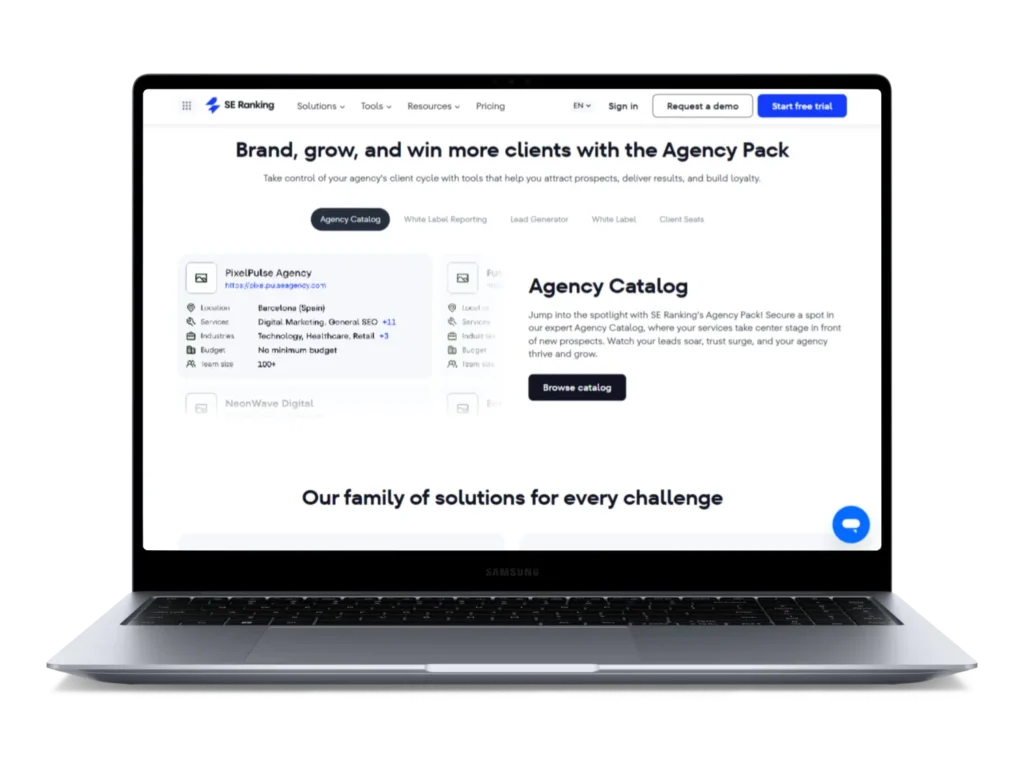
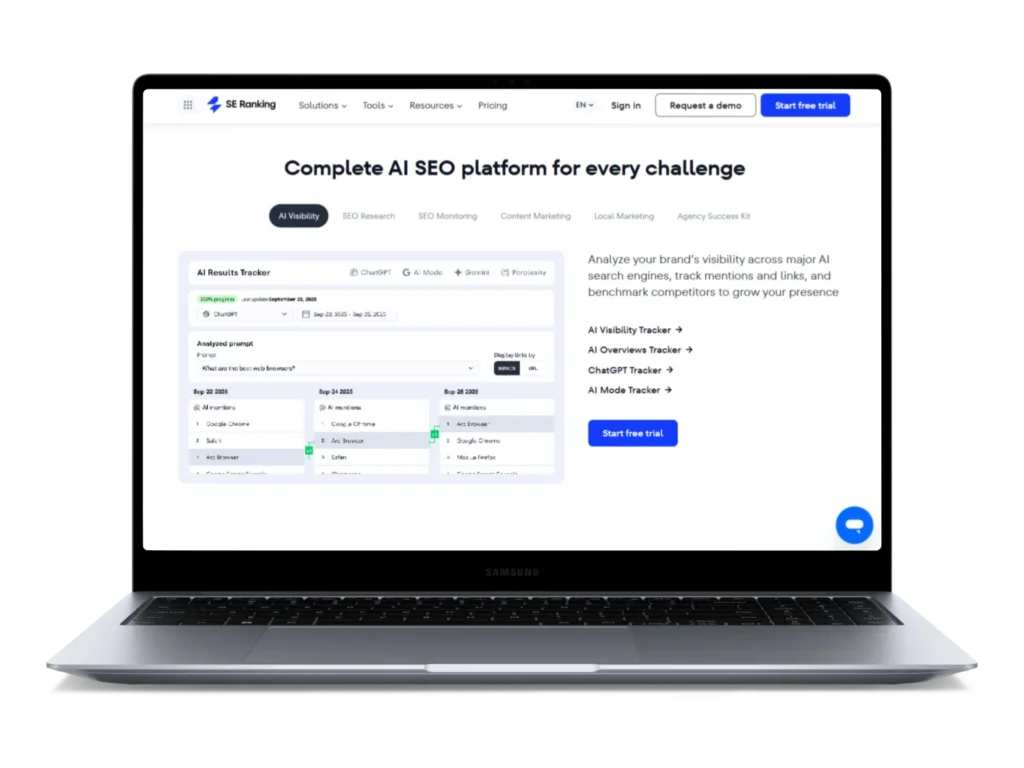
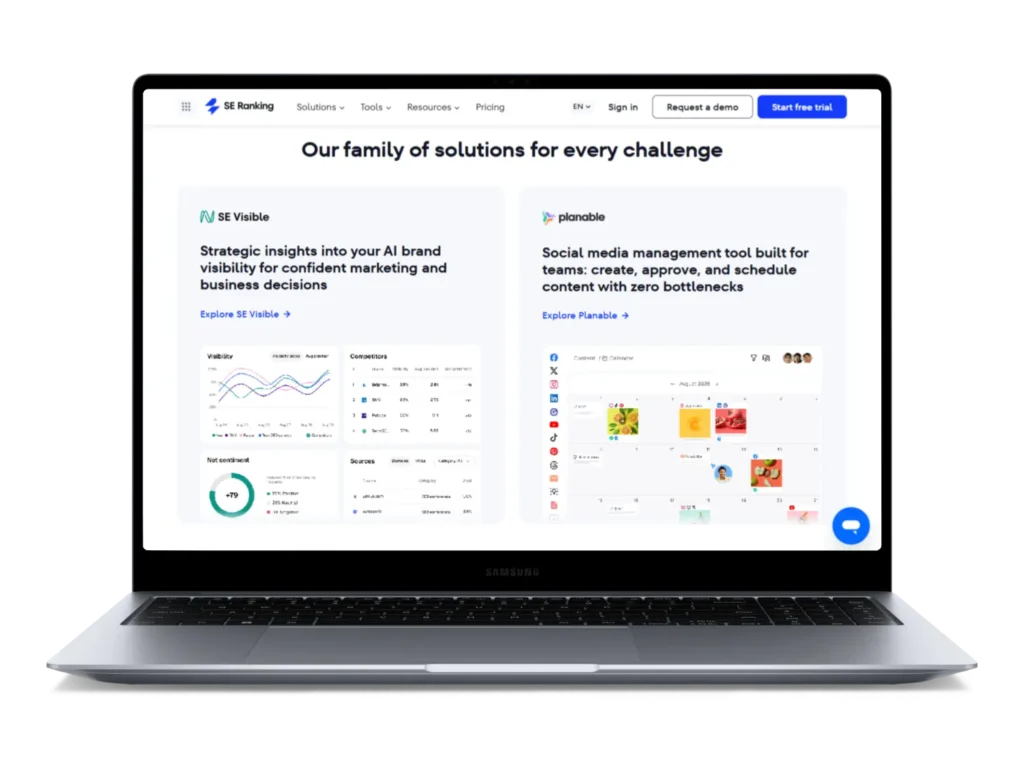
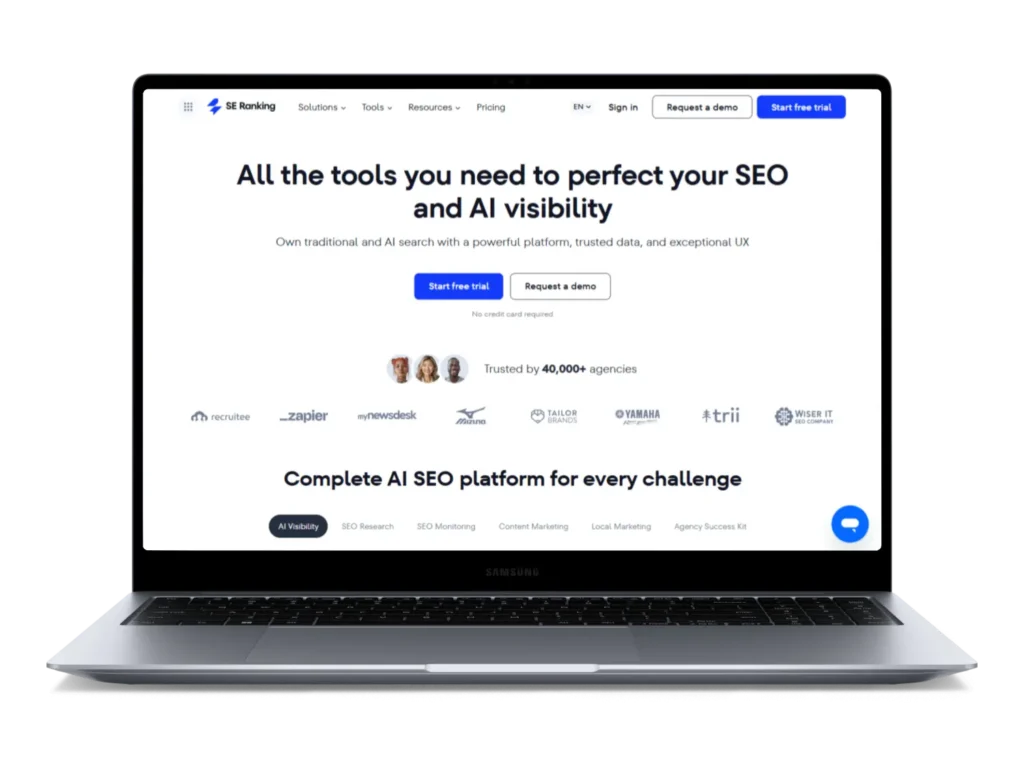
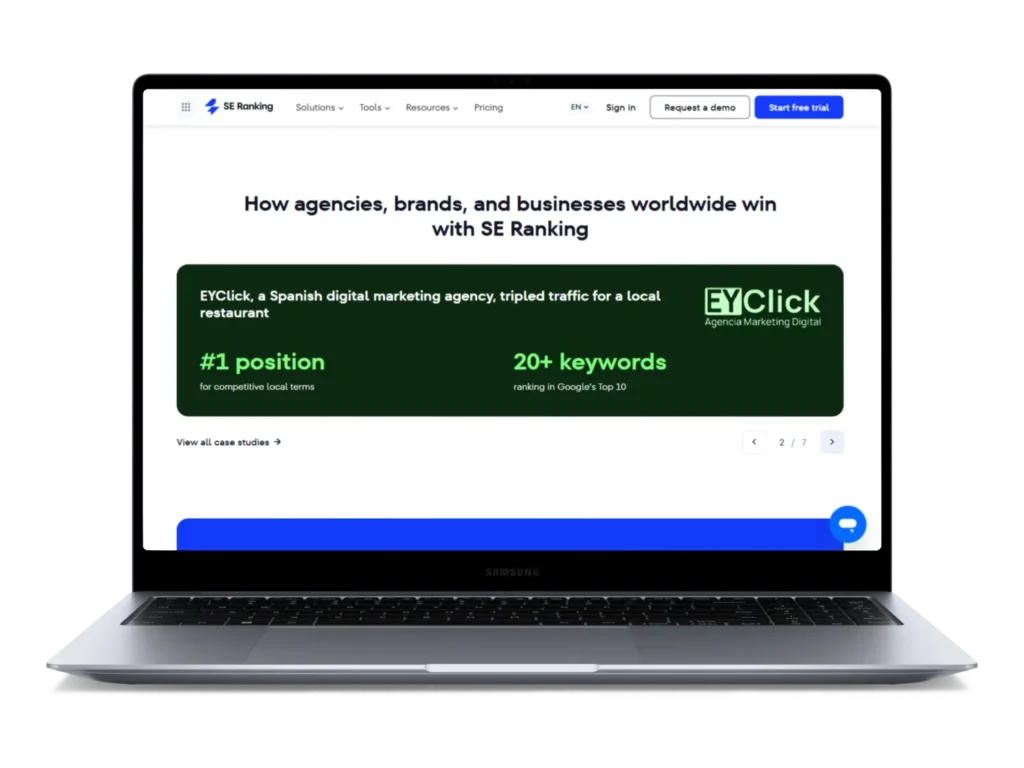
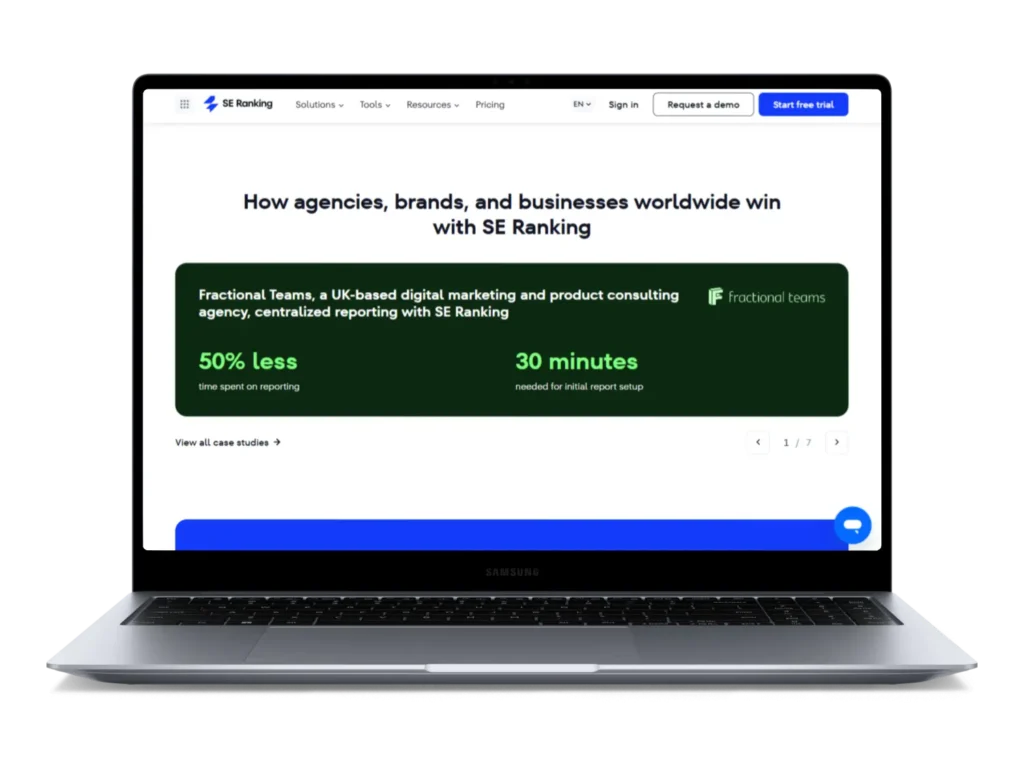
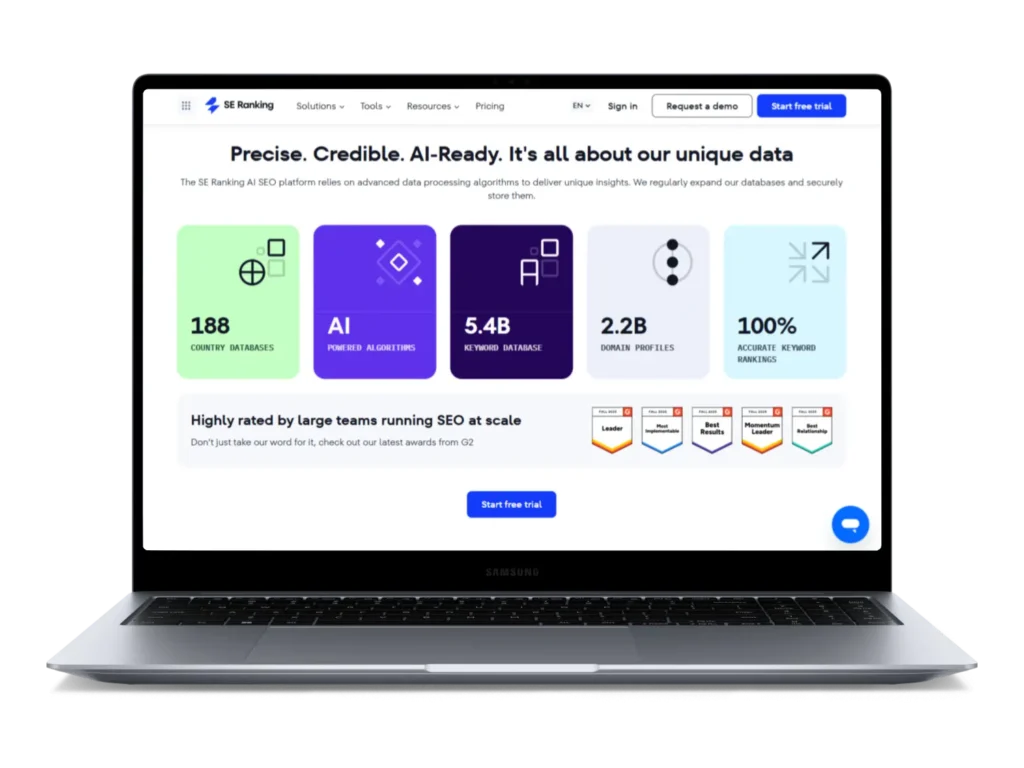
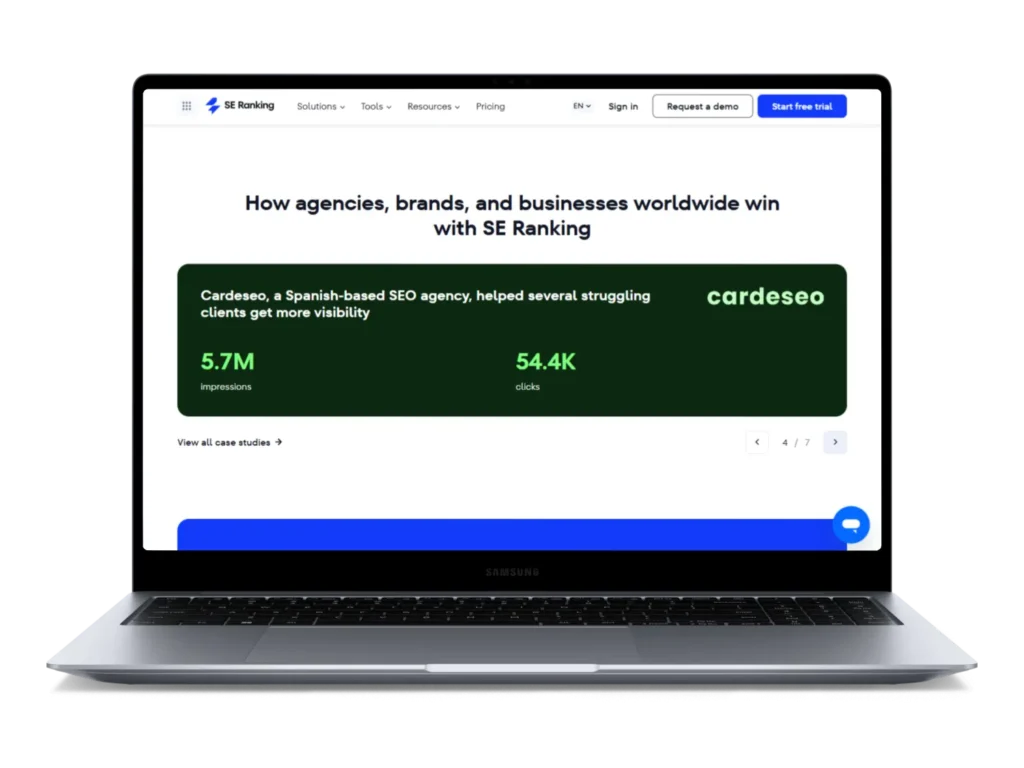
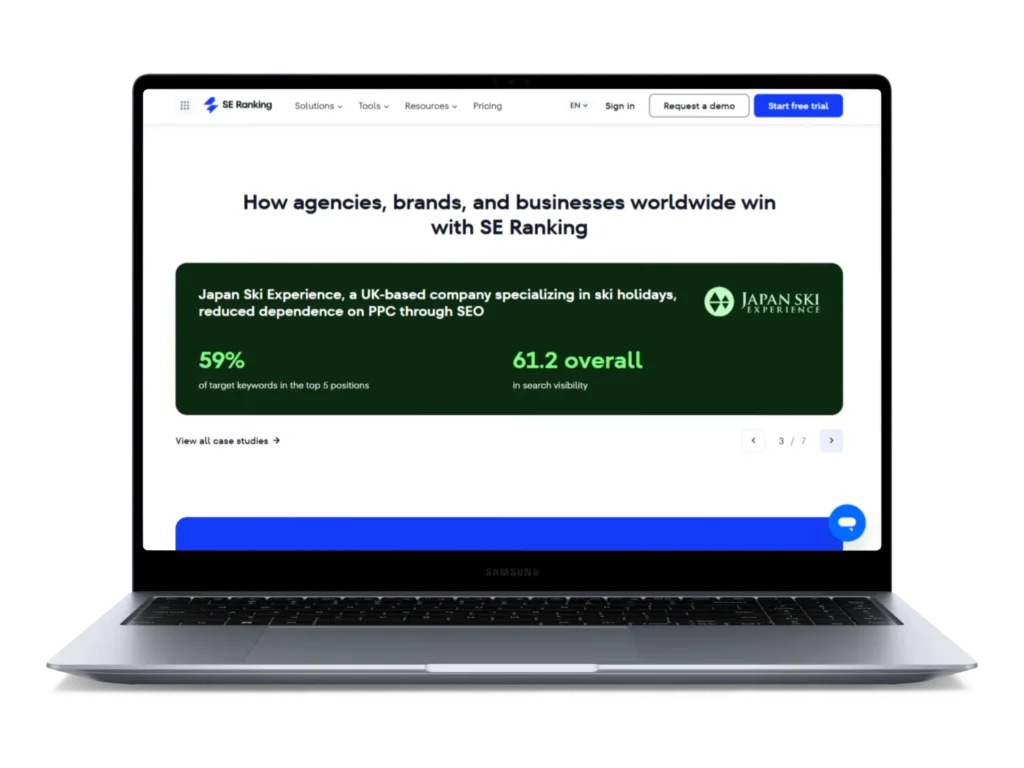
SE Ranking is a full SEO platform for tracking rankings, auditing websites, researching competitors, and managing SEO tasks in one place.
Main features:
- Keyword tracking
- Website audit
- Competitor analysis
Advantages
- + All-in-one SEO toolkit
- + Clear interface
- + Good for beginners and growing websites
Disadvantages
- - Can feel broader than needed if you only want one SEO task
Best Internal Linking Tools for SEO
Internal linking tools help websites build stronger content connections and improve crawl efficiency. As websites grow, manually managing internal links becomes difficult and time-consuming.
SEO automation tools like SEOJuice help simplify this process by automatically finding relevant linking opportunities between articles and important pages.
For content-heavy websites, internal linking software can improve content discoverability, strengthen topical relevance, and reduce repetitive SEO work.
Why Internal Linking Matters for SEO
Internal linking helps search engines understand how pages are connected across a website. A strong internal linking structure improves crawl efficiency, strengthens topical relevance, and helps important pages become easier to discover.
Better Crawl Discovery
Internal links help search engines discover important pages faster and understand how content is organized across the website.
Stronger Topical Relevance
Connecting related articles helps search engines understand topic relationships and improves overall content structure.
Improved User Navigation
Visitors can discover related content more easily, which often increases engagement and reduces content isolation.
More Scalable SEO Workflow
As websites grow, internal linking automation becomes important because manually managing hundreds of pages quickly becomes difficult.
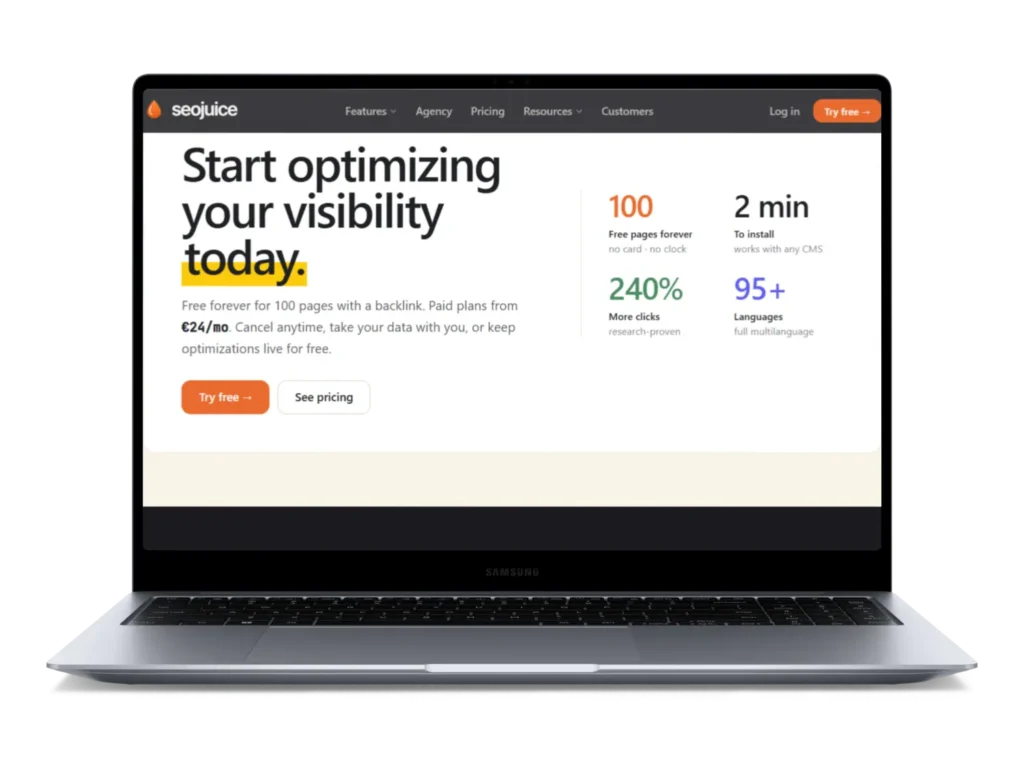
SEOJuice — Best for Internal Linking Automation
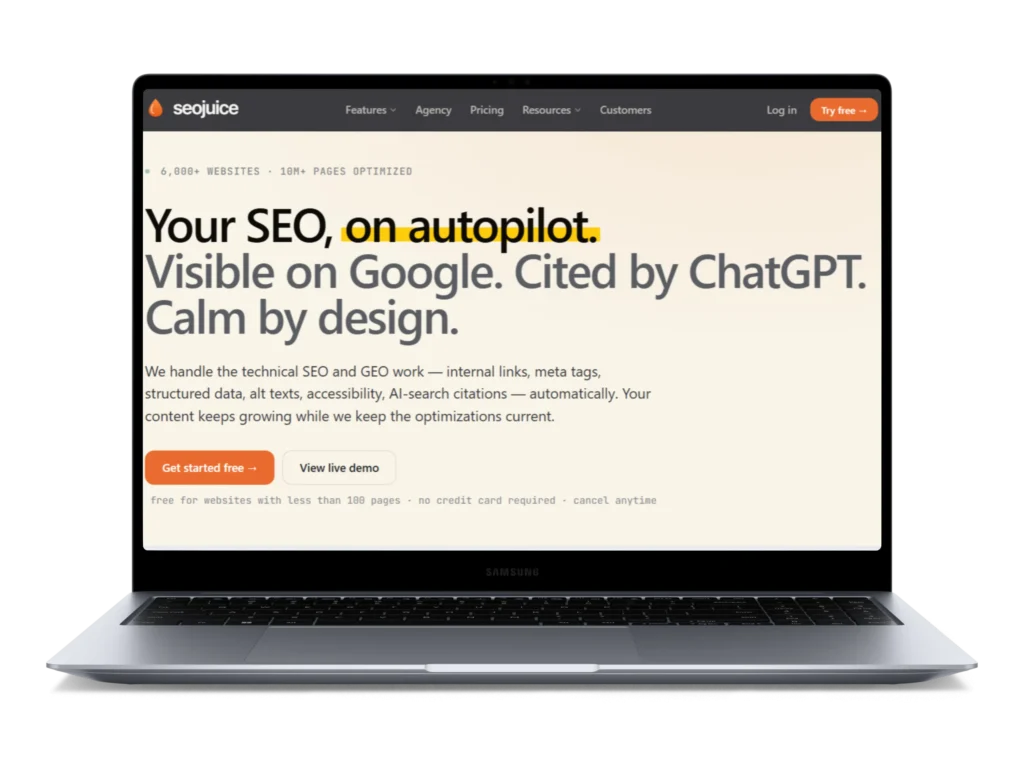
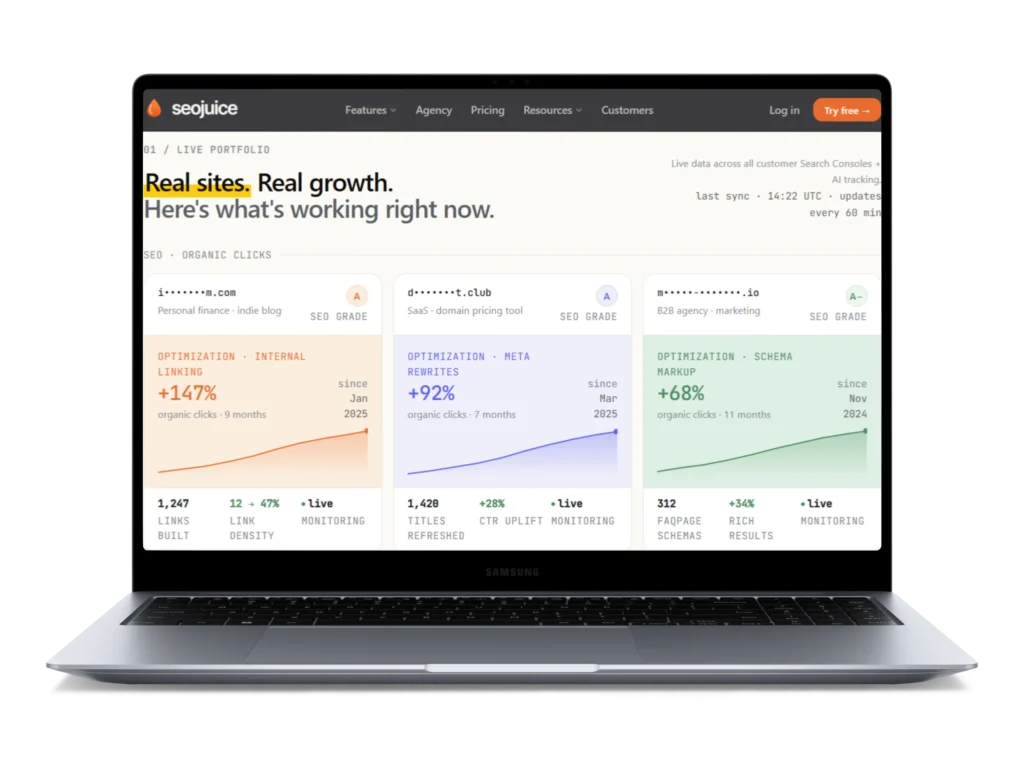
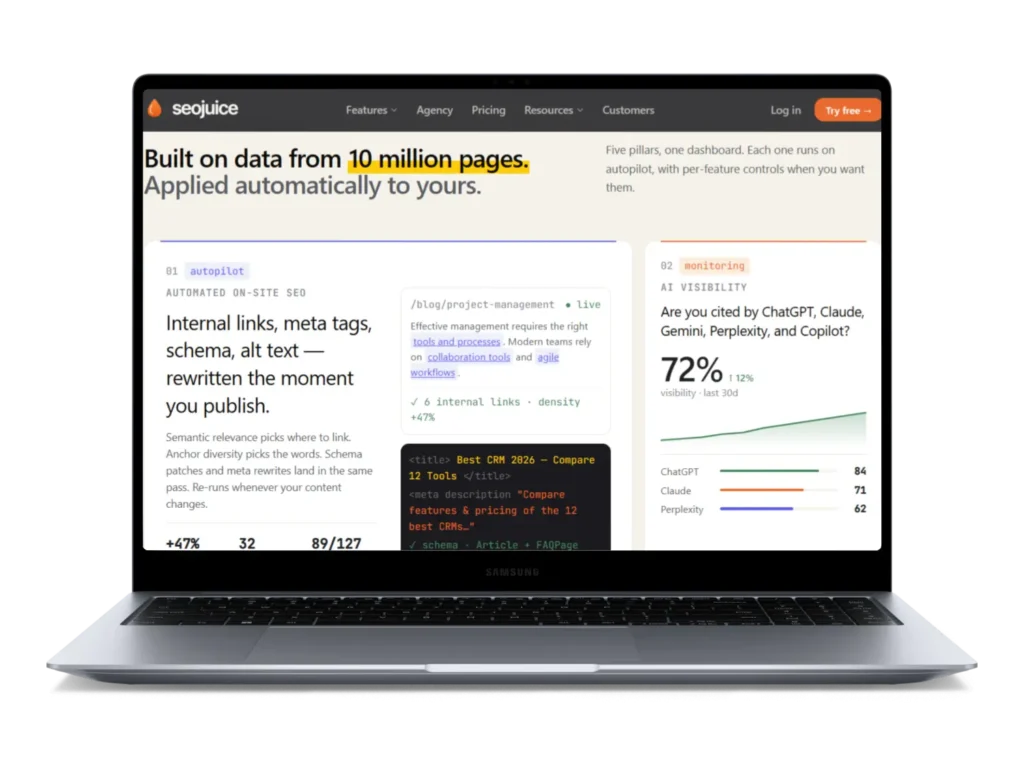
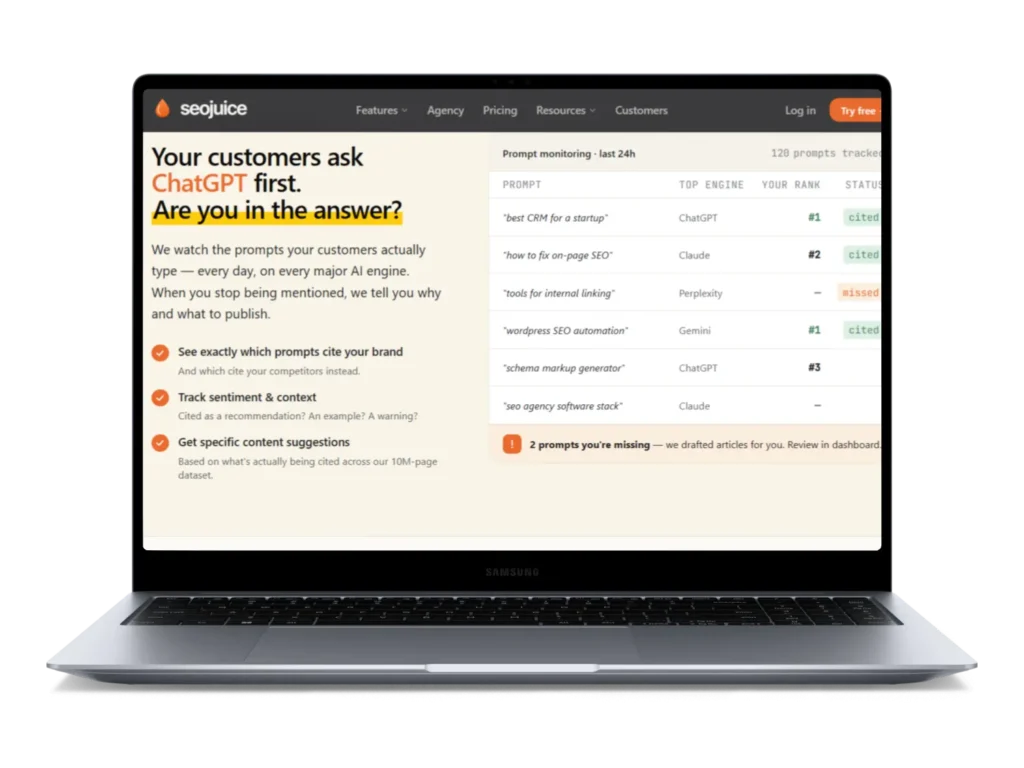
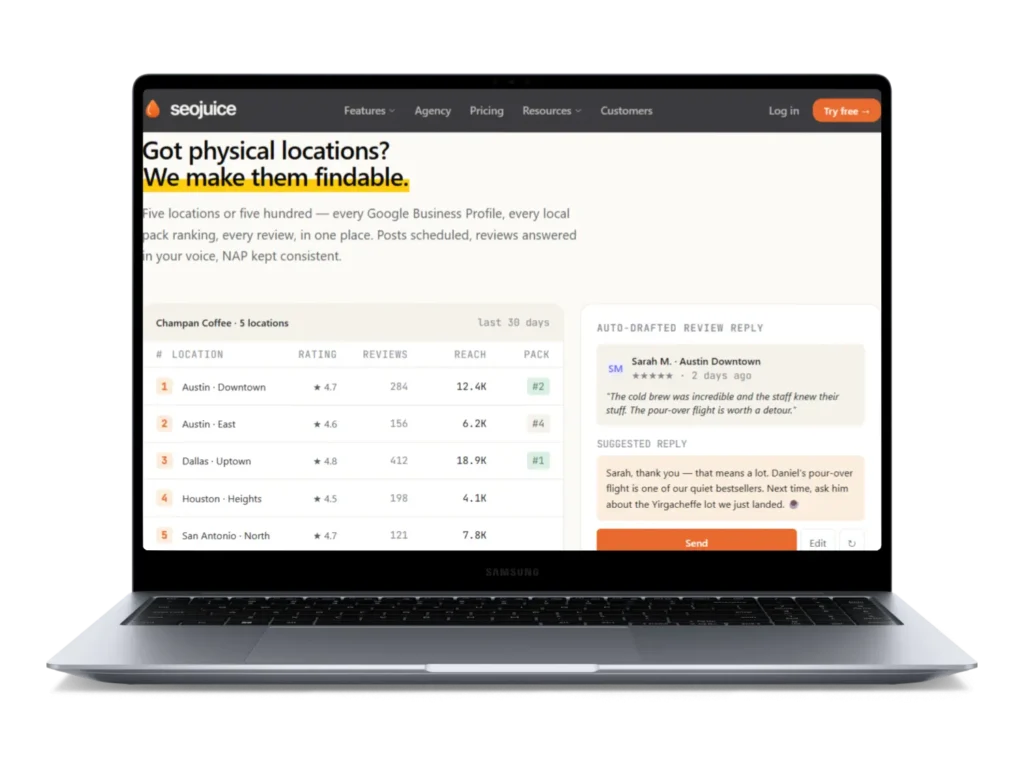
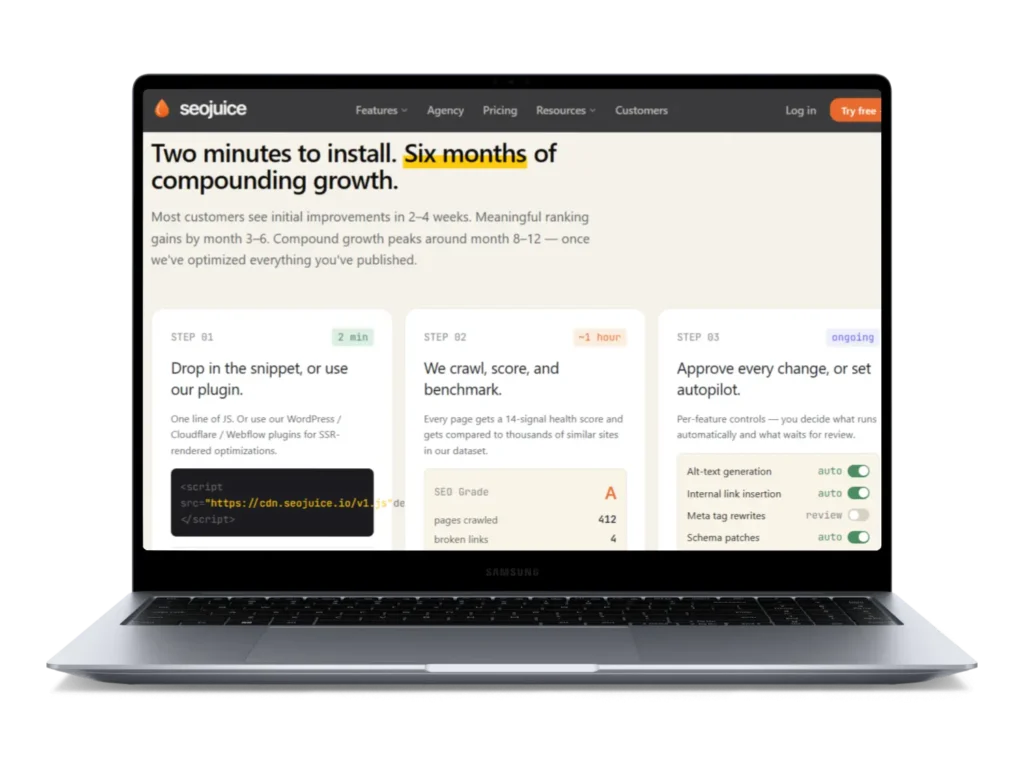
SEOJuice focuses on internal linking automation and SEO structure optimization. The platform helps connect related pages automatically, reducing repetitive manual work and improving website organization as your content grows.
Instead of searching for linking opportunities manually, SEOJuice helps automate internal connections between articles and important pages.
Main features:
- Automatic internal linking
- Content relationship analysis
- SEO structure optimization
- Time-saving automation workflow
Advantages
- + Simple automation workflow
- + Easy to understand and manage
- + Saves hours of manual internal linking work
Disadvantages
- - Focused mainly on internal linking rather than full SEO management
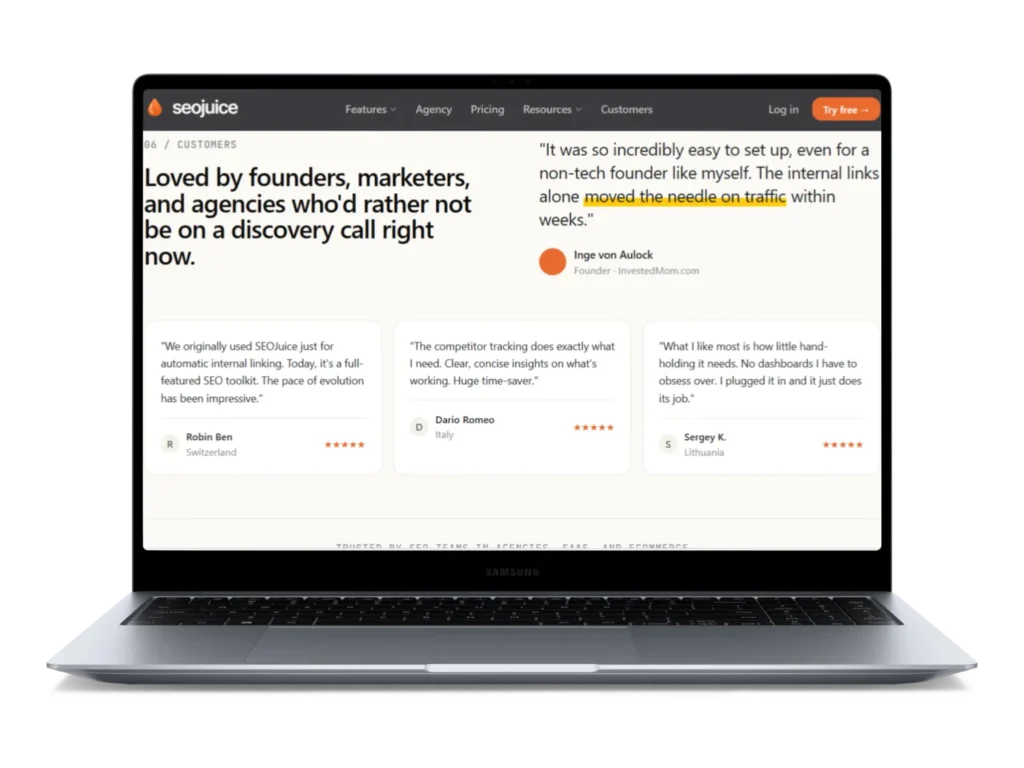
Feedback From Website Owners
Small website owners, bloggers, and SEO teams often mention the same thing: internal linking becomes difficult to manage once content starts growing.
Best SEO Tools for Beginners
Beginners often choose SEO software that feels too complicated for their current needs. The best SEO tools for beginners usually focus on simplicity, clear reporting, and easy-to-understand workflows.
SE Ranking is often recommended for beginners because it combines keyword tracking, competitor analysis, and website audits inside one interface without creating unnecessary complexity.
Instead of using multiple disconnected SEO tools, beginners usually benefit more from simple platforms that cover the most important SEO tasks in one place.
Why Most People Choose the Wrong SEO Tool
Many beginners choose tools with too many features, then use only a small part of them. This creates confusion instead of progress.
- They choose complexity before understanding the basics.
- They pay for features they do not use.
- They lose time switching between tools.
The better approach is simple: start with the tool that matches your current SEO problem.
Most websites do not fail because of content quality.
They fail because SEO becomes too slow, too manual, and too difficult to scale consistently.
Simple SEO Setup That Actually Works
You do not need a complicated stack to begin. A simple setup can cover the two most important needs: understanding your SEO performance and improving your internal structure.
Use it for keyword tracking, site audits, and SEO analysis.
Use it to automate internal links and connect related pages faster.
Frequently Asked Questions
What are the best SEO tools for beginners?
Beginner-friendly SEO tools usually focus on simplicity, clear reporting, keyword tracking, and easy website audits. Platforms like SE Ranking are often recommended because they provide a cleaner interface and reduce unnecessary complexity for smaller websites.
What is the best SEO software for growing websites?
The best SEO software depends on workflow needs, website size, and the type of SEO tasks being managed. Many growing websites prefer all-in-one SEO platforms that combine rank tracking, audits, competitor research, and reporting in one dashboard.
What are SEO automation tools?
SEO automation tools help reduce repetitive optimization tasks such as internal linking, reporting, audits, and workflow management. These tools are especially useful for websites with large content archives that become difficult to manage manually.
Can SEO tools automate internal linking?
Some SEO tools specialize in internal linking automation and can automatically identify relevant linking opportunities between articles and important pages. This helps improve website structure and reduces manual SEO work.
Why are internal linking tools important for SEO?
Internal linking tools help websites connect related content more efficiently. Strong internal linking improves crawl discovery, strengthens topical relevance, and helps search engines better understand website structure.
What is the difference between SEO software and SEO tools?
SEO tools often focus on individual tasks such as keyword research or audits, while SEO software usually combines multiple optimization features into one platform. Larger websites often prefer centralized SEO software to simplify workflow management.
Is SE Ranking good for beginners?
SE Ranking is commonly considered beginner-friendly because it combines keyword tracking, audits, competitor analysis, and reporting inside a relatively simple interface compared to more advanced enterprise SEO platforms.
What are the best internal linking tools?
The best internal linking tools are usually platforms that simplify content connections and reduce manual linking work. Automation-focused tools can help growing websites manage larger content structures more efficiently.
Do SEO automation tools help small websites?
SEO automation tools can help small websites save time by simplifying repetitive SEO tasks. Even smaller content websites often benefit from automated reporting, audits, and internal linking management.
What should beginners look for in SEO software?
Beginners usually benefit from SEO software with simple dashboards, easy reporting, clear recommendations, and manageable workflows. Tools that reduce complexity often help users learn SEO faster without becoming overwhelmed.
Final Verdict
If you want a full SEO tool, choose SE Ranking.
If you want to automate internal links, choose SEOJuice.
If you want both tracking and internal linking automation, use them together.